Nightclubs can employ bartenders who have been trained with alcohol-related policies, written down, and have an experienced supervisor at each shift. A handbook for employees contains these safeguards can look comforting.
Imagine a Saturday night that is full of bartenders serving the exact same group of patrons, while the floor manager manages a disturbance and customers ordering drinks from different locations. Who will decide when a person should not consume alcohol?
This could reveal more about a dram store lawsuit other than simply the number of drinks that have been sold.
At first, the staff may be able to spot the signs of an overservice investigation.
A Dram Shop expert witness examines whether alcohol-service decisions were consistent with recognized industry practices and the circumstances employees actually encountered.
Intoxication alone is not enough to prove that a bartender was aware of warning indications. The investigation must consider the behavior of the customer, the time of service, and the bartender’s observations.
Surveillance video may capture employees having conversations with one or with one another, doing unusual moves or unable to walk. Statements from witnesses may provide more context, though recollections can differ. The most important thing to differentiate between is the information investigators learnt after an incident, as well as what staff should have known at that time of the incident.
One Tab Doesn’t Mean One Drink
The record of the sale at the point-of-sale are useful, but they require hospitality experience to interpret. A patron could purchase multiple rounds of beer for friends. Many people can be involved in a bottle-service transaction. Bartenders can process orders in separate locations without recognizing that another employee was serving the order.
Alcohol experts are able to look at the duration of transactions, drinks consumed, surveillance video, and records of staffing to build a complete timeline.
The study could uncover instances in which employees were able intervene or realize the fact that they were drunk. The analysis could also reveal the instances where there isn’t enough evidence to establish the individual who consumed an alcohol drink.
Training Matters Only When It Gets to the Floor
Although employee certifications are essential but they may not reveal how a business operated during a certain shift.
An investigation may consider whether training was in order, whether employees knew the correct procedures for intervention and whether the managers emphasized the institution’s rules and regulations.
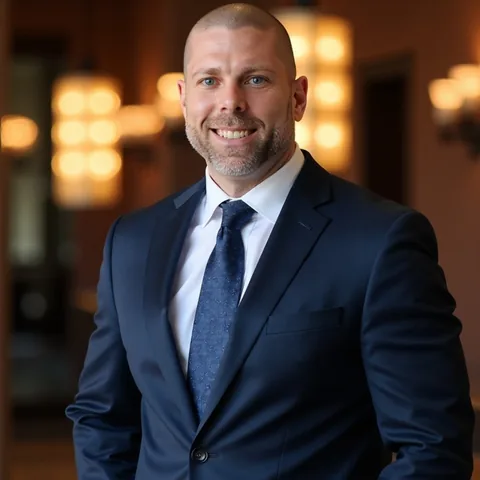
Preston Rideout is a specialist in hospitality with over three decades of expertise. This includes management, bartending and drink-program consulting.
According to his professional qualifications In addition, he holds 112 seller/server certifications that include 48 states and the District of Columbia.
This combination allows him both to look at the training that employees received as well as operational decisions they had to make. For instance, a bartender might recognize an issue with his behavior, but may not have direction about contacting management or reporting a refusal of service. The adequacy of supervision can therefore become just as important as the employee’s individual actions.
Insurance investigations might ask similar questions.
Expert witnesses in Liquor Liability typically discuss the same operational concerns for insurers lawyers, coverage counsel, and defense lawyers. Even though the language could differ but the core issue is the conduct of staff and alcohol service.
The complete review might include incident reports as well as written policies, video recording schedules of employees and certificates. The expert’s responsibility is not to support the person who is retaining them. The expert must clarify what the evidence supports, identify pertinent practices within the industry, and acknowledge any limitations.
Experience explains the reasons behind the Records
Rideout has worked with plaintiffs as well as defendants in 11 states to provide testimony in hospitality, hospitality and alcohol-related issues.
The analysis he provides examines restaurants, bars, and nightclubs, in addition to casinos, hotels, resorts as well as other establishments which serve alcohol on a regular basis. Each setting has its own unique organizational structures and supervisory issues.
The bartender in a small dining room in the restaurant might have different opportunities to observe the customers than an employee of a nightclub working at a bustling service station. Understanding those differences helps place the evidence in the proper context of operation.
The credibility of a person’s opinion isn’t filled with assumptions
Dram shop laws vary by the jurisdiction and expert testimony cannot be confused with the legal definition of liability. The best analysis will explain the activities of the employees as well as the recognized standards of service that were needed, and what conclusions are based on the evidence.
Sometimes, records show that a deviance was made from the accepted procedure. The records also show that employees did not adhere to the proper procedure or left important questions unanswered.
In the case of attorneys who evaluate alcohol-related claims this distinction is critical. An expert’s opinion is more than just a report of the event. It allows the court to be aware of what was happening in the establishment prior to the night ended.