There’s a lot more on the lengthy bank statement than just a ledger of transactions. You’ll find account summary and notices, as well as explanatory texts, disclosures and other pages that surround the information needed by an accountant.
If the goal is to put transaction information to a spreadsheet or a accounting system, all the processing may be a waste of time. Before making the output, determine the most valuable pages.
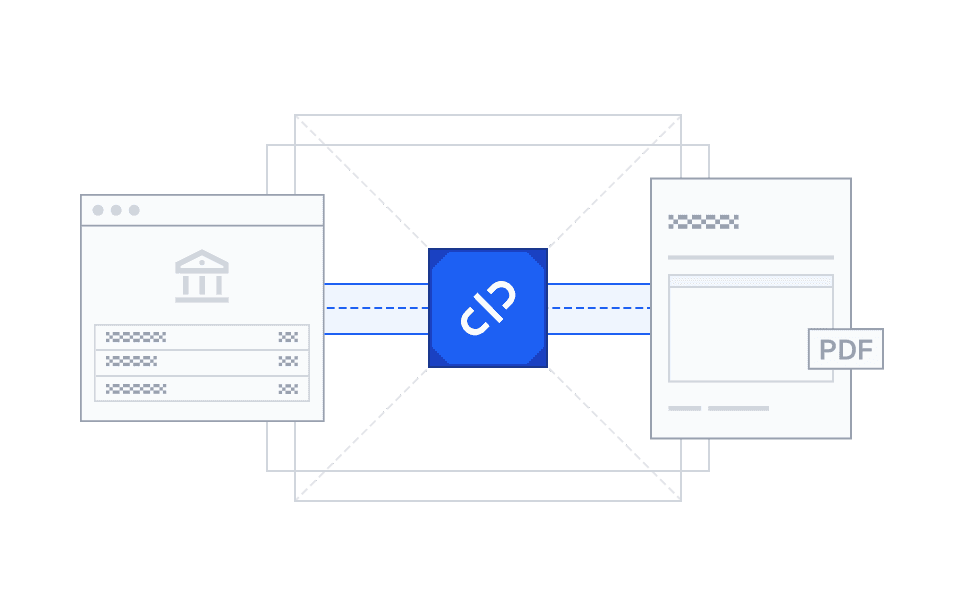
Image credit: docubrew.com
The number of pages doesn’t necessarily mean that more valuable data is available.
Take a look at a business that is reviewing a few months of banking transactions. The monthly PDFs can contain 10 or more pages but only a portion of the document has the required transaction tables for accounting.
Manually copying those tables is an option however, it’s not fast and introduces opportunities for typing errors. Businesses could instead convert bank statements to Excel while limiting the conversion to relevant pages.
Docubrew has a page preview feature which enables the user to preview and choose what pages will be processed. You can remove the cover sheet, disclosures, or any other pages you don’t require.
Improve Control by Using Preview first
Automation is best utilized when the person who is using it can inspect what’s happening.
Rather than simply processing a document in a blind way, Docubrew lets users preview statements before beginning the conversion. It utilizes the original statement to extract data instead of trying to estimate financial values.
When converting a PDF bank statement to Excel, that preview creates an opportunity to make sure the appropriate pages have been selected and examine the extracted information before downloading the result.
This is an easy but crucial checkpoint when it pertains to financial documents.
Exports should be controlled by the destination
After that, you’ll be asked to decide what you want to make of your transactions.
Excel is useful when the bookkeeper needs to sort information, check rows or manipulate the data. CSV is an option if the data will be going into another system. Docubrew is compatible with QBO output.
If someone needs to convert bank statements into CSV format it is possible to create a CSV instead of creating an Excel worksheet first and then manually altering the formats.
Docubrew output can be utilised alongside accounting platforms like QuickBooks, Xero and FreshBooks as well as spreadsheets.
Scanned paper statements can be used to be seamlessly integrated into the workflow
Conversion selective isn’t restricted to PDFs that are digitally created.
Some companies may have old statements that are only available in paper scans. Docubrew has the ability to scan PDF documents, including statements.
This is useful for bookkeeping that is based on historical data where the most recent statements were digitalized but older statements were scanned off of paper. Instead of creating two completely different workflows, the documents are processed using the same general conversion process and then reviewed prior to export.
Process Locally or Use the Cloud
How financial documents are handled affects the output as much as the output.
Docubrew’s Windows desktop software converts files locally and retains client files on your computer. Cloud processing is offered to users who prefer browser-based processes. Docubrew says that uploaded documents are protected and uploaded documents and converted documents are deleted automatically after 24 hours.
To summarize, converting a banking statement to Excel should not mean feeding every page of a PDF into a tool and hoping the output is useful.
Begin by reviewing the pages that contain the information that you need. Review the information being gathered. Choose the format for the next accounting task.
It’s possible to develop more efficient financial workflow through the deliberate process of processing less rather than processing more.